How Long Can a Cesspool Last, and What Affects Its Lifespan?
There’s no single answer to how long a cesspool lasts. Here’s what actually determines lifespan and when it makes sense to have an aging system evaluated.

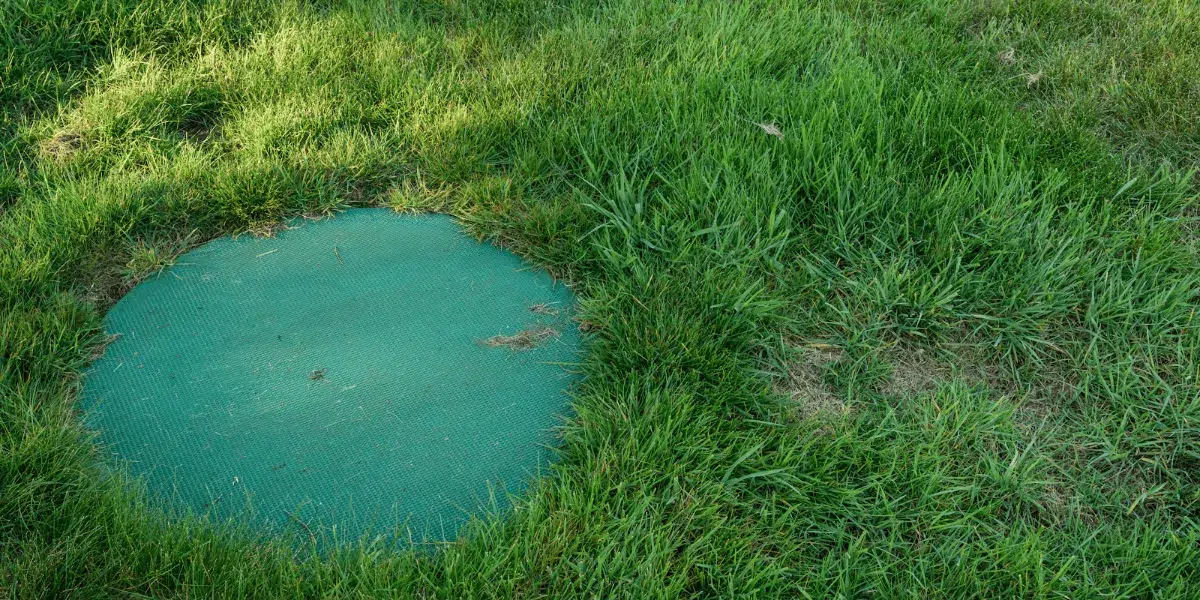
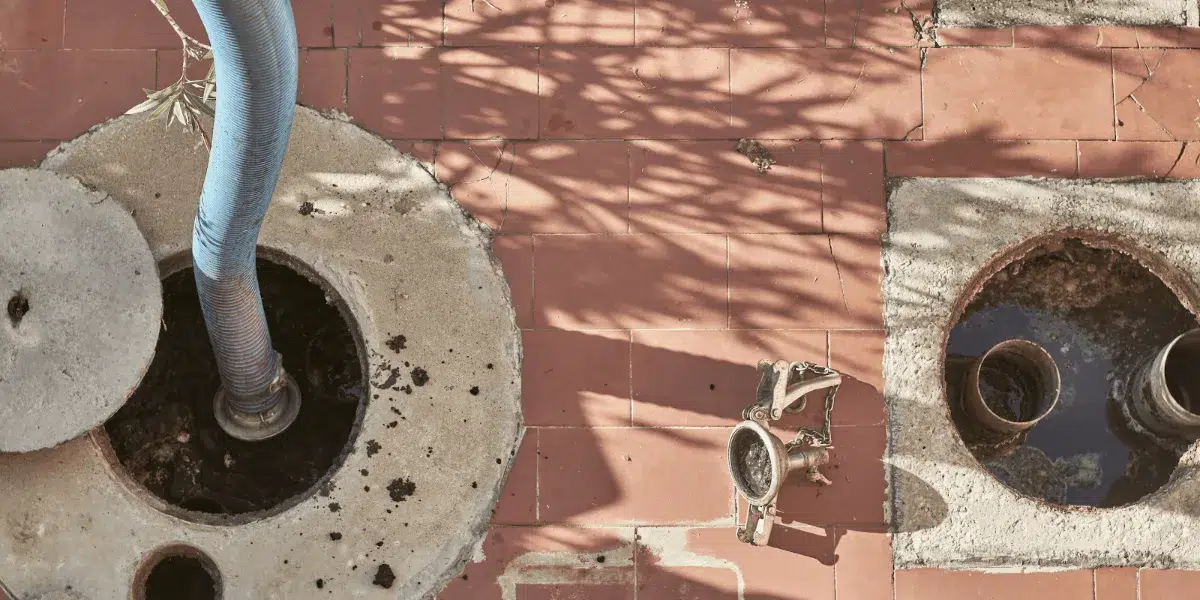
It’s one of the least glamorous components of a cesspool system, and also one of the most practically important. The access cover, the lid or cover that sits at or near ground level over the cesspool pit, is the point through which every inspection, pump out, and emergency service call happens. Without proper access, routine maintenance becomes complicated, urgent service becomes slower, and problems that would have been caught early go undetected until they’re not.
Most homeowners on Long Island’s East End know their cesspool exists somewhere in the yard without knowing exactly where it is, what covers it, or what condition that cover is in. That gap tends to matter more than it might seem, and understanding it takes relatively little effort compared to the complications that arise when it becomes relevant at the wrong moment.
A cesspool access cover serves two functions simultaneously. It seals the opening of the cesspool to prevent surface water, debris, pests, and gases from entering the pit, and it provides the point of entry for equipment and inspection during service visits. Both functions matter, and a cover that fails at either one creates problems in different directions.
A properly sealed cover keeps rainwater from entering the cesspool during storms, which matters particularly on Long Island’s East End where seasonal rainfall and storm surge events can introduce significant surface water volume through an improperly sealed access point. It also keeps the system’s gases contained underground rather than allowing them to escape into the yard, which is both an odor concern and a safety consideration.
Fun Fact: Hydrogen sulfide, one of the gases produced naturally inside a cesspool, is heavier than air and can accumulate in low-lying areas near an improperly sealed access cover, which is part of why a cover that fits correctly and seals properly is a safety issue and not just a maintenance convenience.
The type of cover on a cesspool is often a direct indicator of the system’s age, and the East End’s older housing stock means a wide variety of cover types are still in active use across the region.
| Cover Type | Typical Era | Condition Concerns |
| Poured concrete slab | Pre-1970s | Cracking, settlement, very heavy, difficult access |
| Precast concrete lid | 1970s to 1990s | Chipping, surface deterioration, handle degradation |
| Plastic or fiberglass riser with lid | 1990s to present | Most durable, easiest access, best seal |
| Buried concrete with no riser | Older systems | No surface access, requires excavation to service |
The last category deserves particular attention. Cesspools on older East End properties are sometimes buried deep enough that there’s no visible cover at the surface at all. The concrete slab that originally served as the access point has settled below grade over the decades, and the property has been landscaped or graded over it without anyone locating it first. These systems require excavation just to access for routine service, which adds cost and time to every maintenance visit until a riser is installed to bring access back to grade.
A riser is an extension that brings the cesspool’s access point from its original depth up to ground level, eliminating the need to dig down to the cover for every service call. On properties where the access point is buried, or where the original cover sits significantly below the surface, a riser is one of the most practical upgrades available.
Quick Fact: Installing a riser on a buried cesspool access point typically pays for itself within two or three service visits in reduced excavation labor costs, since each visit that would otherwise require digging down to the cover becomes a significantly faster and less disruptive job once the riser brings access to grade.
Beyond the cost efficiency, a riser makes emergency service faster, which matters when a cesspool backup is developing and waiting for excavation before anyone can assess or address it adds time the situation doesn’t always have.
Cesspool access covers, particularly older concrete ones, can become genuine safety hazards as they age and deteriorate. Concrete that has been exposed to decades of ground movement, moisture, and the chemical environment near the cesspool can develop cracks or degrade to the point where the cover no longer safely bears weight.
Fast Fact: A deteriorating concrete cesspool cover may look structurally sound from the surface while having lost significant load-bearing capacity underneath, which is one reason why older cover replacement isn’t just a maintenance upgrade but a genuine safety precaution, particularly on properties where children or pets regularly use the yard.
Covers that have settled and are no longer flush with the grade around them can also become trip hazards, particularly when partially obscured by grass or landscaping growth. For properties on the East End where established landscaping sometimes grows over system components over time, this is a more common situation than it might initially seem.
For anyone who has read about what happens during a cesspool inspection, the access cover is literally the starting point of the entire process. A technician’s ability to find the cover quickly, open it safely, and work from it without additional excavation or complications directly affects both the quality and the efficiency of the inspection.
The condition of the cover itself also tells a technician something about the system’s maintenance history. A cover that’s been buried, damaged, or modified in ways that suggest improvised past access raises questions about what maintenance has actually been done and whether that maintenance was thorough. As covered in what happens during a cesspool inspection, the access point condition is one of the first things an inspector notes before any other assessment begins.
The East End’s concentration of pre-regulation era homes means access cover issues are proportionally more common here than in newer developments with standardized system components. Cesspools installed before the 1970s regulatory era used whatever materials were available and conventional at the time, which typically means heavy poured concrete covers, no risers, and in many cases no documentation of exactly where the system sits relative to current grade.
As discussed in how older neighborhoods present unique septic challenges, this documentation gap means that locating an older cesspool’s access point is sometimes genuinely the first step of a service visit rather than a quick reference to a known location. Marking the cover location clearly after any service visit and considering a riser installation are both practical steps that make every subsequent visit faster and less expensive.
Replacing a deteriorated cover or installing a riser is generally considered maintenance work rather than a system modification, but it’s worth confirming with Suffolk County’s Department of Health Services whether the specific work planned falls within routine maintenance or requires a permit in the context of the full system’s condition and any other work being contemplated. For any work that does require a permit, the process is covered in what homeowners should know about cesspool permits.
A cesspool access cover that doesn’t function properly adds friction and cost to every maintenance interaction the system requires. Bay Area Sewer & Drain Service provides thorough cesspool and septic services throughout Eastport and the East End, including cover assessment and riser installation that makes routine maintenance simpler and emergency service faster.