How Long Can a Cesspool Last, and What Affects Its Lifespan?
There’s no single answer to how long a cesspool lasts. Here’s what actually determines lifespan and when it makes sense to have an aging system evaluated.

Whether you’re buying a home, selling one, or just want peace of mind about a system you’ve never had checked, the words “cesspool inspection” can feel a little mysterious if you’ve never gone through one. What exactly is the technician looking for? How long does it take? Will they tell you something is wrong even if everything seems fine?
A cesspool inspection is actually a fairly straightforward process once you know what to expect. Here’s a clear walkthrough of what happens from the moment a technician arrives to the report you’ll have in hand by the end.
People request a cesspool evaluation for a handful of common reasons, and the reason often shapes how thorough the inspection needs to be. Real estate transactions are probably the most frequent trigger, many lenders and buyers want a property septic check completed before closing, especially on older homes where the system’s condition is unknown.
Other times, it’s simply routine. Homeowners who’ve never had their system professionally evaluated, or who just moved into a property and inherited a cesspool with no documentation, often schedule an inspection just to understand what they’re working with. And occasionally, it’s reactive, slow drains or odd smells prompt someone to call before things get worse.
Fun Fact: Many older Long Island properties have cesspools with no permits or installation records at all, which means a professional inspection is often the only reliable way to even confirm a system’s age and condition.
Before any real inspection can happen, the technician needs to find the cesspool itself. This sounds simple, but on older properties without records, it isn’t always obvious where the system sits.
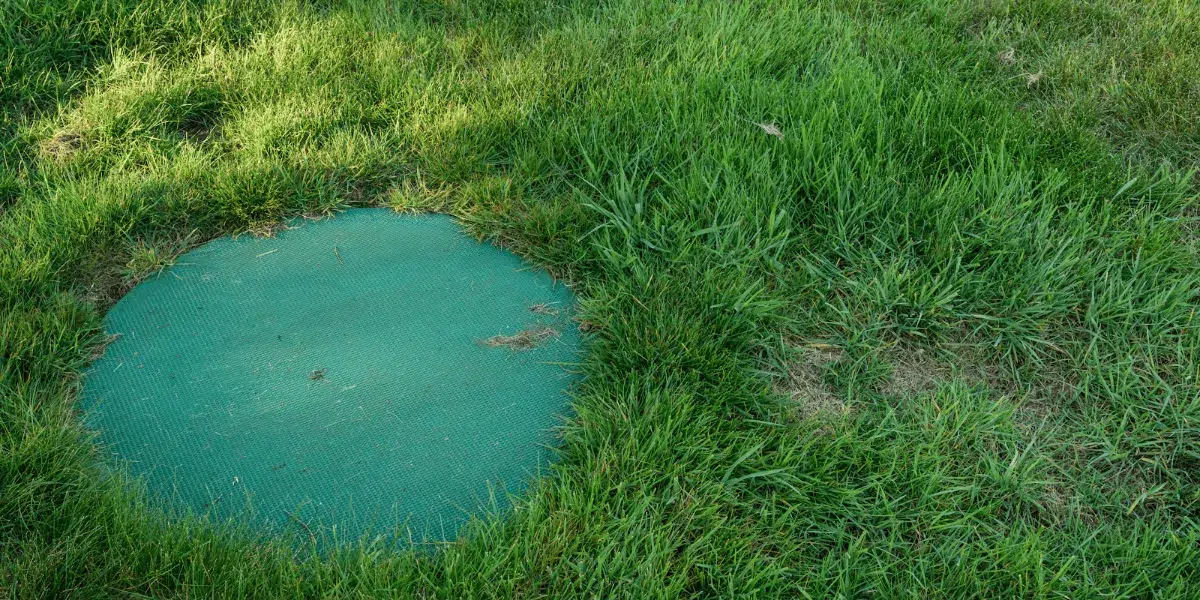
Technicians typically start by checking for visible access points, like a lid or cover in the yard, and cross referencing with any available property records or permits. If nothing is visible above ground, locating equipment may be used to trace the system without unnecessary digging.
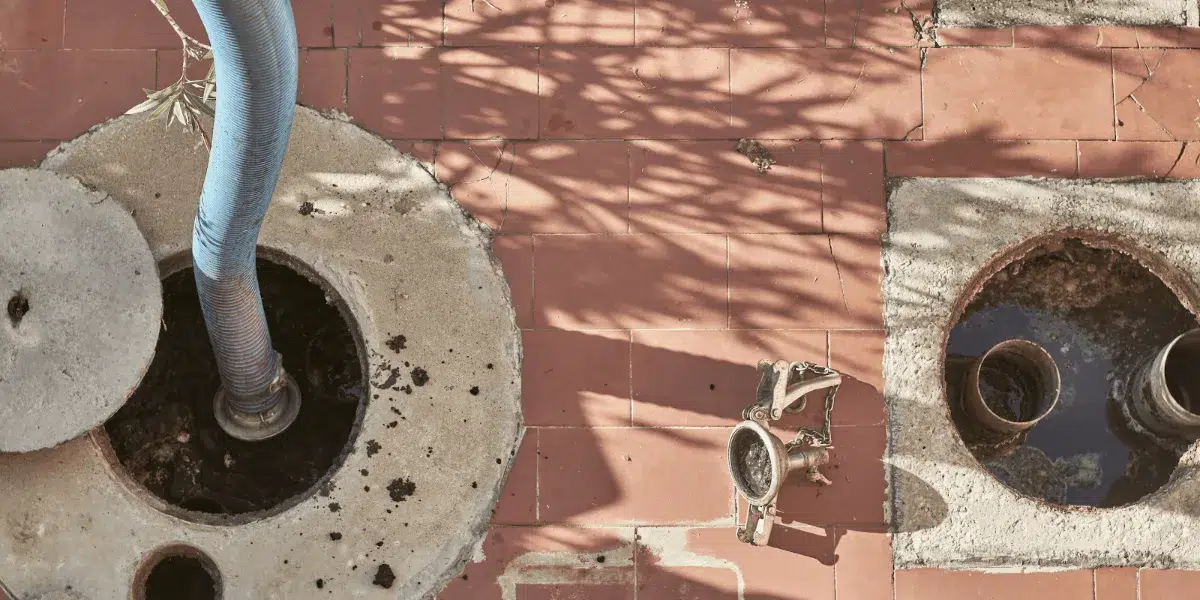
Once located, the technician opens the access point to get a direct look inside. This is where the wastewater inspection really begins.
Quick Fact: A cesspool inspection is not the same as a pump out, though the two are sometimes done together, an inspection focuses on evaluating condition while a pump out focuses on removing accumulated solids and liquid.
The technician will note the liquid level inside the pit, which tells them a lot about how well the system is currently absorbing wastewater. A liquid level that’s unusually high relative to the inlet pipe is often an early indicator of an absorption problem, even if nothing has backed up into the house yet.
With the system open, the technician examines the physical structure itself. This part of the cesspool inspection process focuses on the pit’s walls, the access cover, and any visible signs of deterioration.
| What’s Checked | What It Reveals |
| Pit walls and material condition | Cracking, crumbling, or structural weakness |
| Inlet pipe condition | Blockages or damage at the entry point |
| Liquid level inside the pit | How well the system is currently absorbing waste |
| Sludge and solid buildup | How close the system is to needing a pump out |
| Surrounding ground condition | Signs of saturation or seepage issues |
Brick and concrete cesspools, especially older ones, are checked closely for deterioration since these materials weaken over time and can eventually collapse if left unaddressed.
A cesspool doesn’t function in isolation, the soil around it is doing just as much work as the structure itself. A thorough inspection includes checking the ground around the system for signs of saturation, pooling, or unusually soft or spongy areas that suggest the soil isn’t absorbing liquid the way it should.
Fast Fact: Technicians often check the area around a cesspool on a day without recent rainfall, since soggy ground shortly after a storm can be misread as a chronic drainage problem when it’s actually a normal, temporary response to heavy rain.
This step matters because even a structurally sound cesspool can perform poorly if the surrounding ground has become saturated or compacted over the years.
Once the physical evaluation is complete, the technician puts together a report summarizing what was found. A good report covers the system’s general condition, estimated capacity remaining, any structural concerns, and a recommendation, whether that’s routine maintenance, pumping, repair, or in some cases, full replacement.
This documentation matters most during real estate transactions, where buyers, sellers, and lenders all want a clear, professional record of the system’s condition rather than a verbal assessment. It also gives homeowners a useful baseline to compare against during future inspections, making it easier to track how the system is aging over time.
Not every inspection ends with good news, and that’s exactly the point of having one done. If the inspection reveals a cesspool that’s struggling, whether from age, soil conditions, or simple overdue maintenance, the next steps usually involve a recommended pumping schedule, targeted repairs, or in more serious cases, a conversation about replacement.
If you’re already noticing symptoms before getting an inspection scheduled, like recurring clogs that don’t seem to fully resolve, why recurring drain clogs may point to a bigger septic problem is worth a read, since it covers exactly the kind of pattern an inspection is designed to investigate.
A cesspool inspection gives you something most homeowners never have: an actual, professional answer to what condition your system is in. Bay Area Sewer & Drain Service provides thorough cesspool and septic services throughout Eastport and the East End, including detailed inspections for real estate transactions, routine peace of mind, or troubleshooting a system that’s already showing signs of trouble. If your inspection reveals deeper issues, our septic system treatments and septic system installation services can help you address it the right way. Contact Bay Area Sewer & Drain today to schedule your inspection and get a clear, honest picture of your system’s condition.